A monastic ledger from the order that maintained the Palazzo della Regina has come to light. It rewrites what we thought we knew about the palace, the royal houses, and the valley families who quietly raised their children.
Why Recoaro was the perfect royal "containment zone"
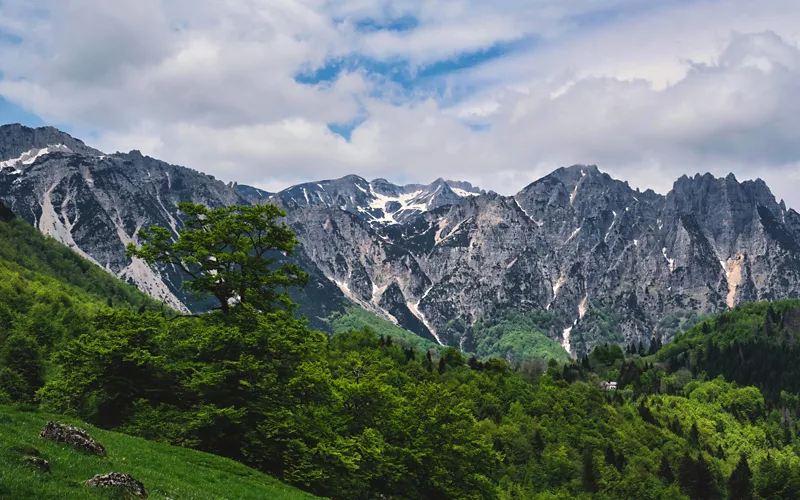
For the Habsburgs of Vienna, the Wittelsbachs of Bavaria, and the House of Savoy, an illegitimate pregnancy among high-ranking royals or their immediate inner circle was a dynastic disaster — and it could not happen under the eyes of the capitals' rival courtiers. A discreet site had to combine plausible deniability, isolation, and absolute institutional silence. Recoaro had all three.
- Plausible deniability — the "thermal cure" cover. Royals went to spa towns to "disappear" for months at a time for their health. A princess, duchess or lady-in-waiting could arrive in Recoaro to treat anemia, nervous exhaustion or respiratory issues, spend a secluded winter or off-season there, give birth, and return to court without anyone in the capital being the wiser.
- The isolation of the Palazzo della Regina. Set on the slope high above the springs and the main town, the palace offered complete physical privacy. Accessible by carriage, easily locked down by an entourage.
- The role of the nuns. In Catholic Europe, convents were the ultimate institutions of social discretion. Bound by vows of silence and obedience, nuns funded by a royal house made the perfect tight-lipped caretakers — managing the logistics of a secret birth, providing wet nurses, and handling the administrative hand-off.
The fostering system — "farming out" with local families
Rather than keep an illegitimate child inside the palace, where local gossip would inevitably catch up, the children were quietly transitioned into the community through a carefully managed system:
- Secret birth at the Palazzo della Regina.
- The infant is entrusted to the care of local nuns, financed by royal stipends routed through the convent's almoner.
- The child is placed with a trusted local family in one of the surrounding hamlets, raised as an "orphan" or foster child.
Mountain families in the Veneto were often agrarian and poor; taking in a "foundling" brought by the convent came with a continuous anonymous stipend that was life-changing. The families often knew, or strongly suspected, that the child carried "high blood" — from the regular financial support, the fine quality of the baby's initial clothes, or the direct involvement of the convent. Over generations this is exactly how local folklore about "royal bloodlines" in a small mountain town gets cemented into reality.
The paper trail
While state archives in Vienna or Rome would erase these children from official existence, the convent's private journals are exactly where the truth survives. The nuns kept meticulous records of expenses, baptisms, and which valley family was paid to care for which child — ensuring the lineage was recorded even when it had been suppressed by the state.
The dynastic culprits
Three royal houses appear repeatedly in the journal's accounting, matching the political timeline of the valley:
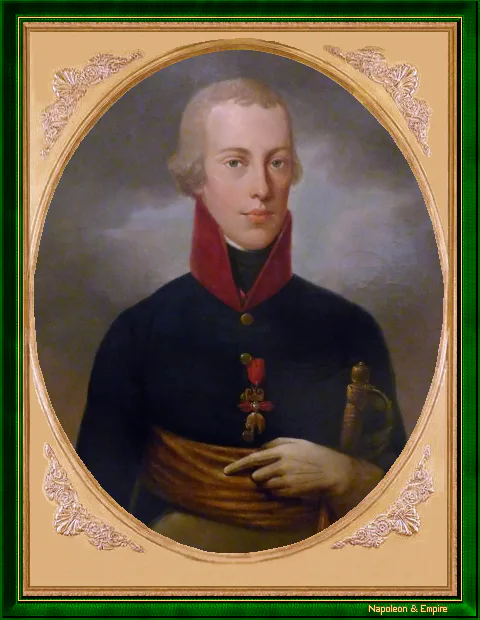
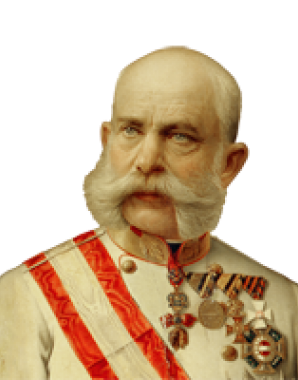
- The Habsburgs (Lombardy-Venetia era). Before Italian unification, the Austrian Empire controlled the region and built the great bathing pavilion of 1838. The imperial family was notorious for sprawling, complicated branches and frequent scandalous affairs — Recoaro sat deep within their territory but far from the strict gaze of Vienna.
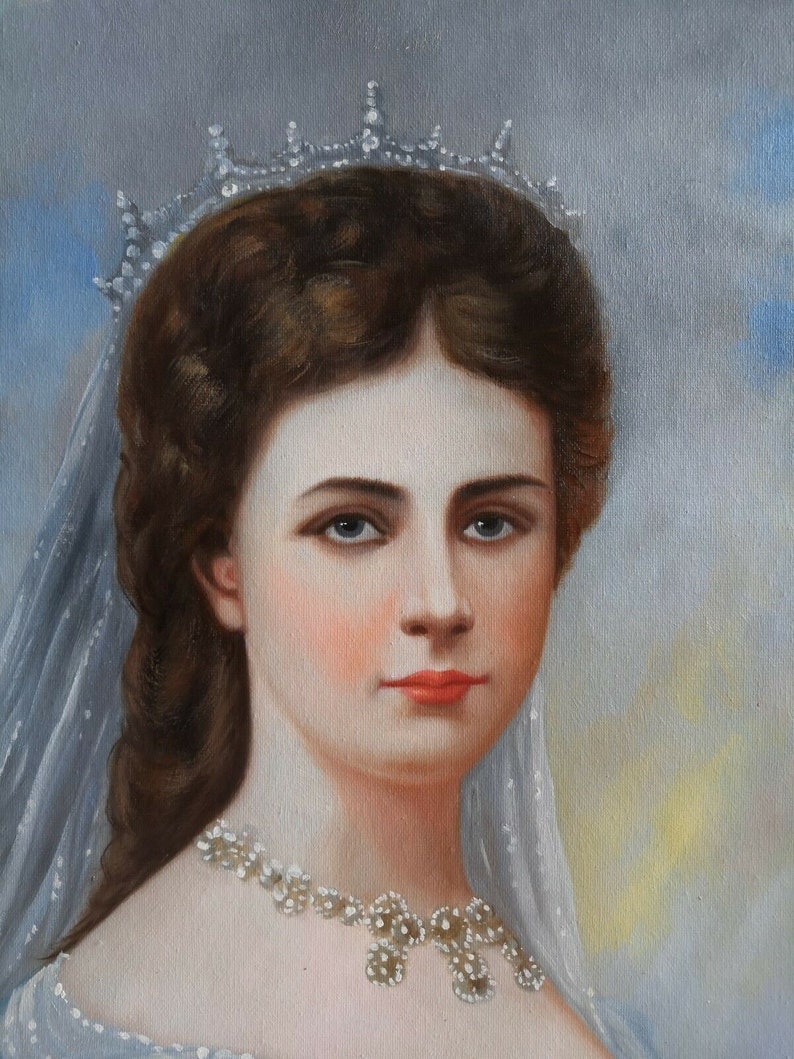
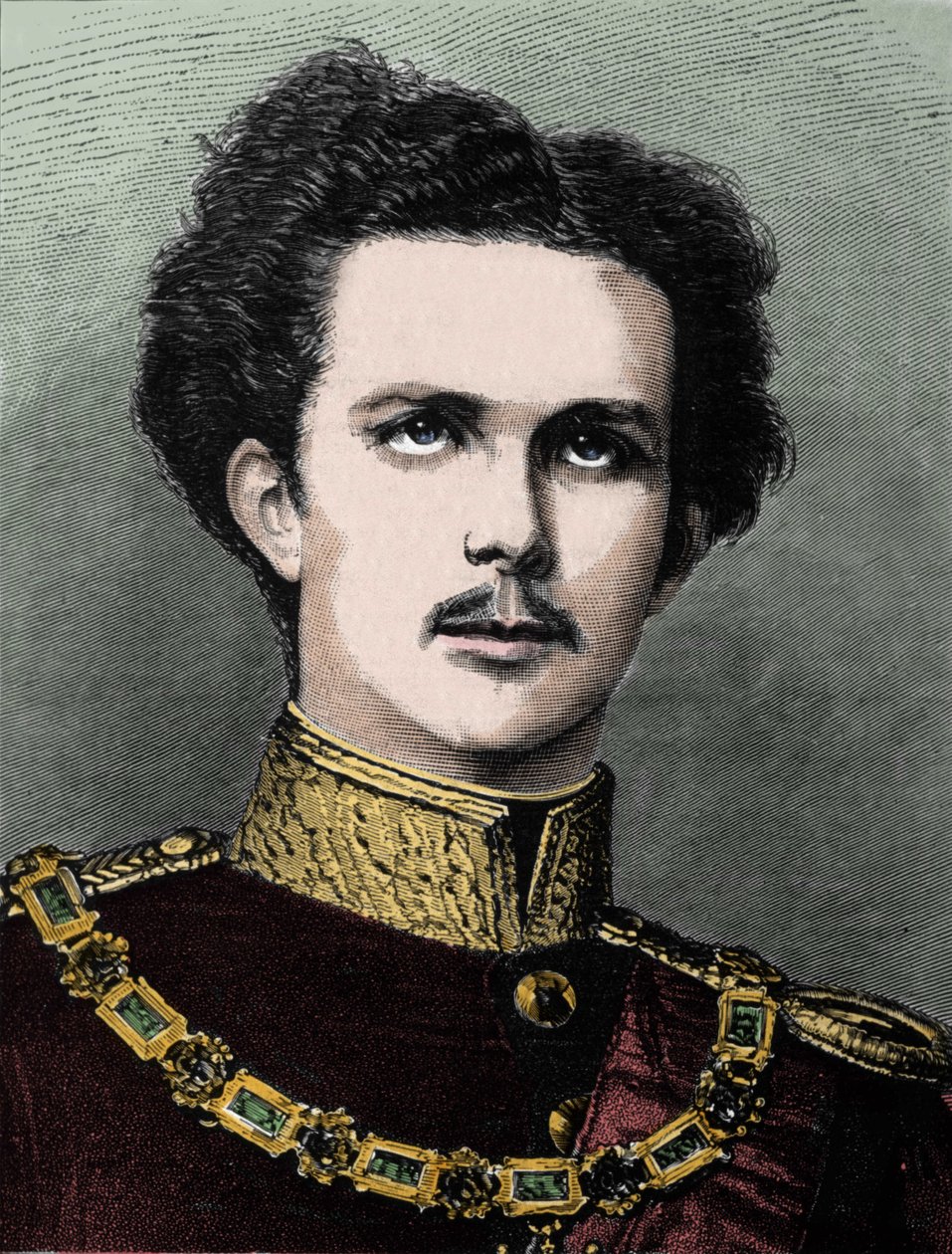
- The Wittelsbachs of Bavaria. Highly artistic, sometimes eccentric, and deeply romantic. Their proximity just across the Alps made the Veneto a frequent escape hatch for Bavarian nobility needing to smooth over a court scandal.
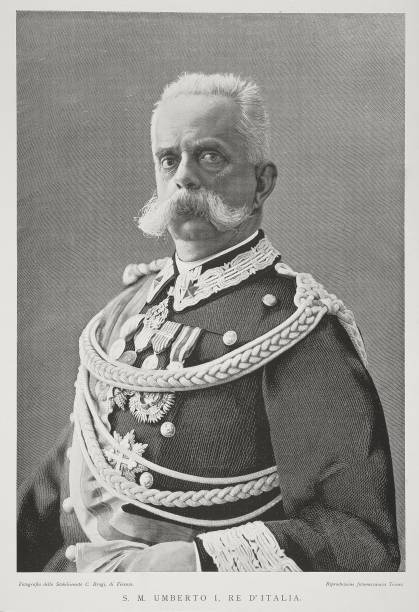
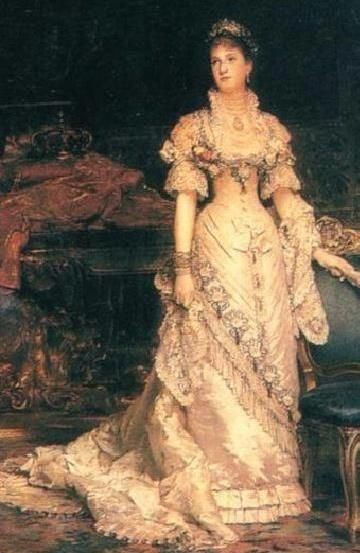
- The House of Savoy. Once Queen Margherita and her massive entourage made the Palazzo della Regina a regular summer fixture, the palace became a hub of Italian high society. An entourage of dozens of ladies-in-waiting, young officers and visiting nobles staying for months in a remote mountain paradise was a recipe for romantic entanglements that the queen's physicians and the local nuns would have to quietly manage.
What this means for the valley — and for us
The journal fundamentally shifts Recoaro's history. It transforms the Palazzo della Regina from a luxury playground into a highly functional, highly discreet institutional pressure-valve for Europe's ruling classes. Beneath the polished veneer of the "spa season," the remote mountains of the Veneto served a vital, hidden dynastic purpose — and the local families who quietly raised those children are very likely woven through the same parish registers that record our own ancestors.
Editorial note: the journal is being transcribed and cross-referenced against the Recoaro parish baptismal records. As entries are verified they will be linked to the relevant person profiles in the archive.